2027: ANINRI IS NOT A DUMPING GROUND FOR POLITICAL DECEPTION — WE WILL SHOW YOU THE WAY OUT! The Majority Speaks to Hon. Anayo Onwuegbu: The People Will Decide in 2027

As the 2027 general elections draw closer, questions about representation, abandoned infrastructure, and accountability are becoming increasingly important in Aninri Local Government Area of Enugu State.
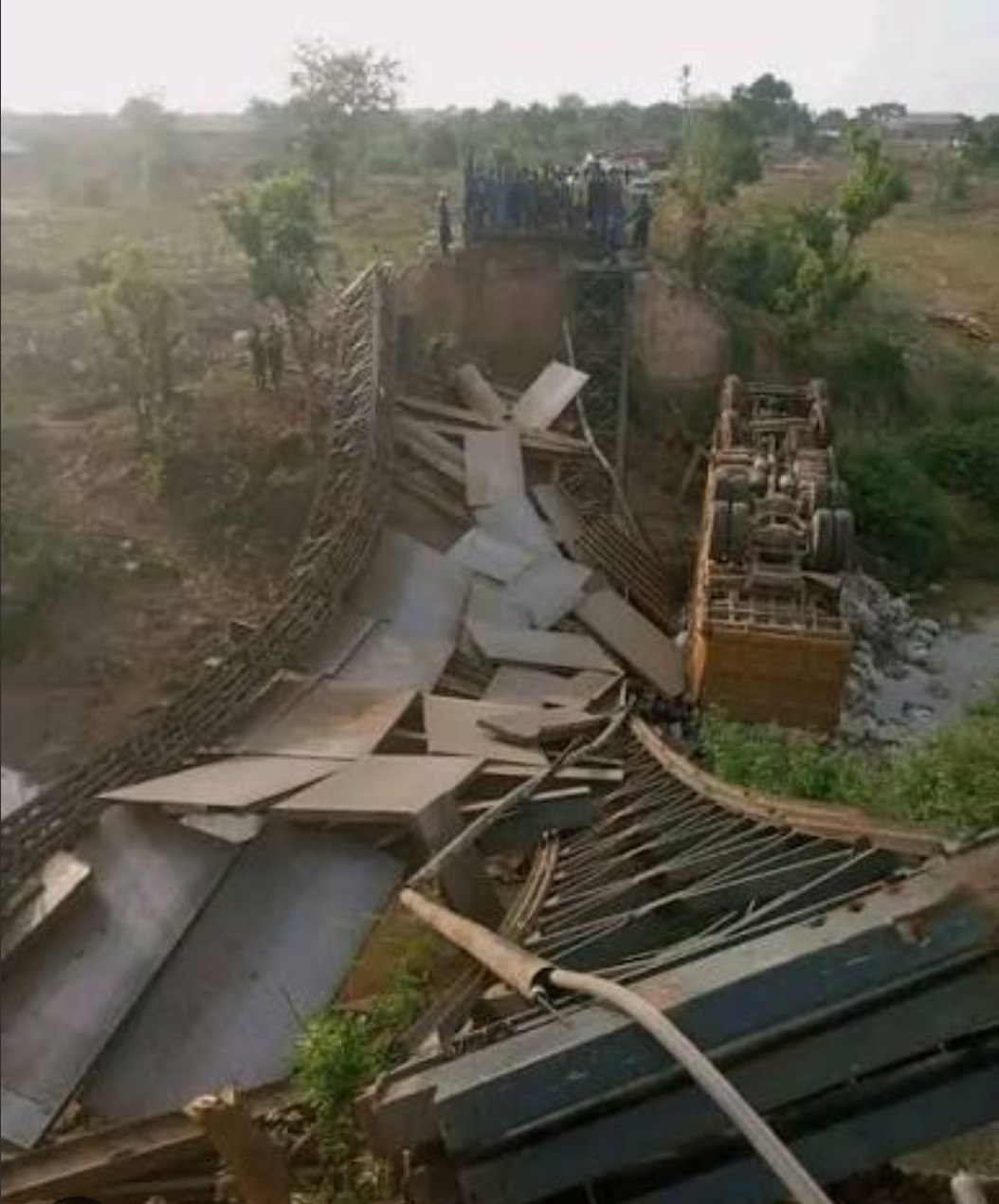
At the centre of this growing debate is the Ivo River Dam project, a long-discussed multipurpose infrastructure initiative that holds considerable potential for agriculture, irrigation, water supply, fisheries, employment, and economic development across communities in and around Aninri.
For residents who have waited for the project to deliver its promised benefits, the continuing uncertainty surrounding its completion raises a fundamental question: What concrete progress can the people point to, and what steps have their elected representatives taken to help bring this project to completion?
As Hon. Engr. Dr. Anayo Onwuegbu faces another election cycle, the Ivo Dam project deserves serious public scrutiny. The people of Aninri have a legitimate interest in examining the project's history, the funding provided, the progress achieved, the reasons for any delays, and the documented interventions made by those representing the constituency.
The message from concerned residents is clear: political representation must be measured not only by speeches, titles, and campaign promises, but also by verifiable action, transparency, and results.
The Ivo River Dam project is more than an infrastructure proposal. For farming communities, it represents the possibility of improved irrigation, increased agricultural production, greater food security, and new economic opportunities.
If completed and properly managed, the project could help farmers reduce their dependence on unpredictable rainfall, support fish farming, improve water access where technically feasible, and stimulate commercial activities in surrounding communities.
These are not insignificant expectations. They concern livelihoods, household incomes, food production, and the future of rural communities.
That is why the project's uncertain status deserves more than occasional political references. Residents need a clear, publicly accessible account of what has happened, what remains outstanding, and what is required to complete the work.
If budgetary constraints, administrative bottlenecks, contractual disputes, or other challenges have delayed the project, the relevant authorities should explain them transparently.
Aninri deserves facts, not speculation. It deserves answers, not endless uncertainty.
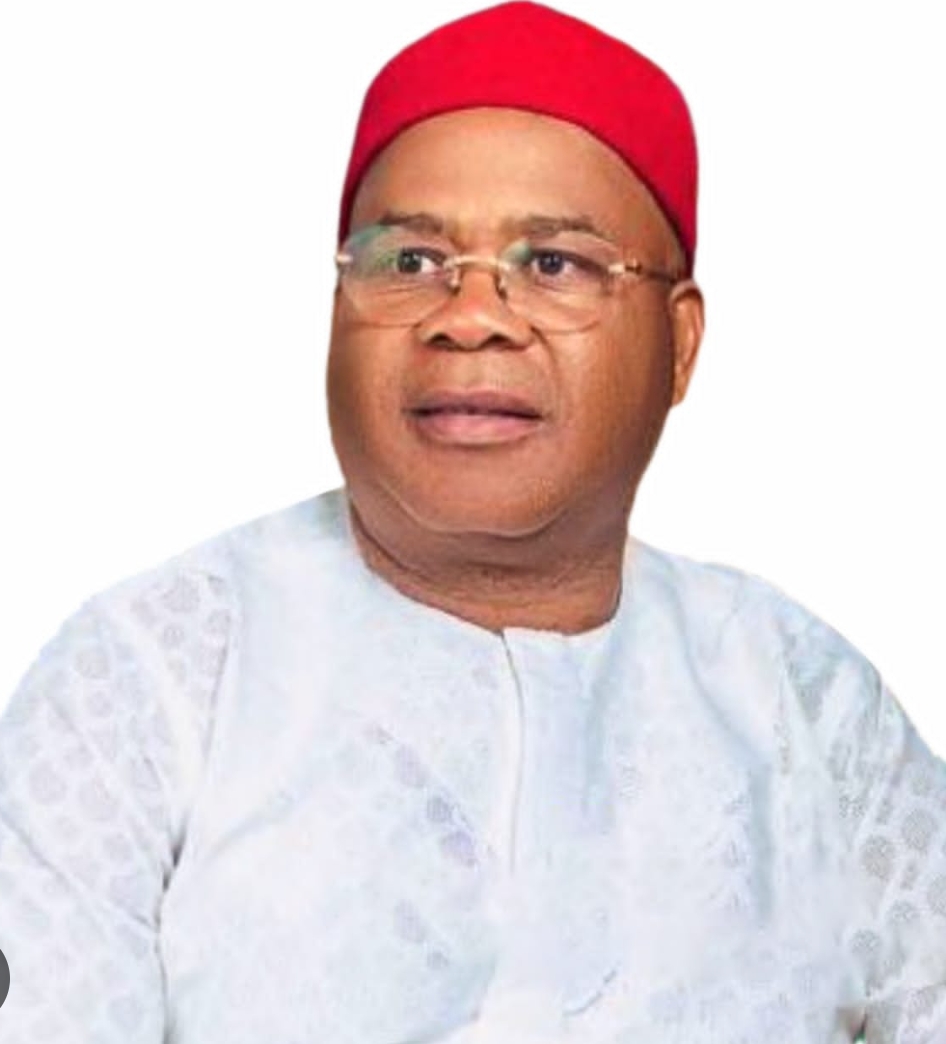
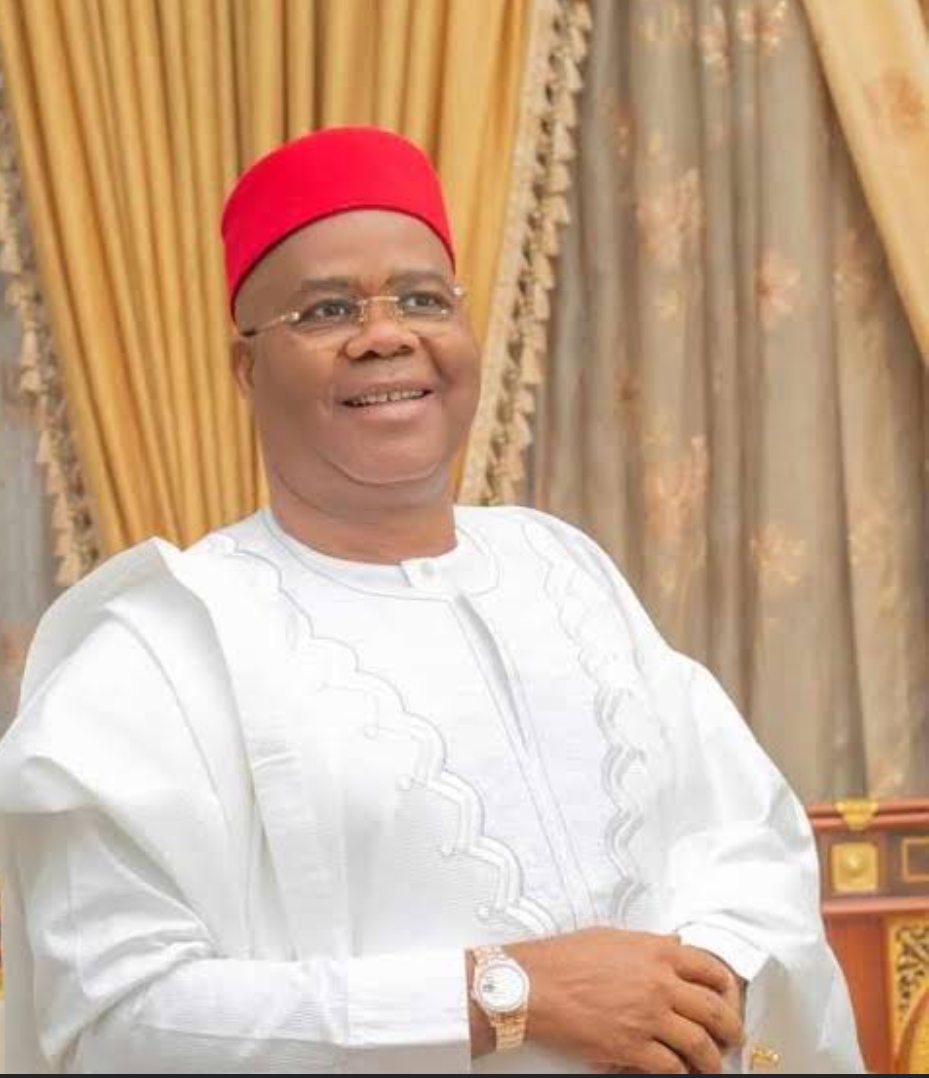
As the federal representative associated with Aninri, Awgu, and Oji River, Hon. Anayo Onwuegbu is entitled to present his record to the electorate. Equally, constituents are entitled to examine that record and ask difficult questions about projects affecting their lives.
The central issue is not whether one individual possesses the constitutional authority to execute every federal infrastructure project. Federal projects ordinarily involve several institutions, including the relevant ministry, implementing agencies, budget authorities, contractors, and the National Assembly.
Rather, the question is this: What specific, documented steps has Hon. Onwuegbu taken to advance the Ivo Dam project, and what measurable outcomes have followed those interventions?
Has he formally engaged the relevant federal ministry or project agency? Has he pursued adequate budgetary provision? Has he raised the project's status through legislative questions, motions, committee proceedings, or official correspondence? Has he made public the responses received from the responsible authorities?
These are fair questions that can be answered through public records.
If he has undertaken meaningful interventions, the electorate deserves to see the evidence. If the project has suffered setbacks beyond his direct control, the circumstances should be explained, including the steps taken to address them.
But if residents cannot readily establish what has been done, they are justified in demanding a clearer account.
Representation is not absolute control over every government project. Nevertheless, it carries a responsibility to communicate with constituents, pursue their interests, and demonstrate what has been achieved within the representative's powers.
Behind every delayed infrastructure project are people whose expectations remain unfulfilled.
For farmers, an unfinished dam may mean continued dependence on seasonal rainfall and limited opportunities for year-round cultivation. For young people, it may mean missed employment opportunities. For traders and small businesses, it may represent economic activity that has yet to materialise.
The potential benefits of the Ivo Dam cannot be treated as an abstract political talking point. Its value must ultimately be assessed by the practical improvements it delivers to the communities it is intended to serve.
However, responsible public discussion must also distinguish between a project being delayed, a project being abandoned, and a project being formally terminated. These are different circumstances and require different evidence.
Before declaring the Ivo Dam permanently abandoned, the responsible authorities should clarify its present status, the latest funding position, the work completed, and the prospects for resumption or completion.
That information would give Ndi Aninri a stronger basis for holding both the relevant government institutions and their elected representatives accountable.
Across Aninri, discussions about political representation increasingly centre on a basic demand: accountability.
Citizens want to know which projects have been secured, which have been completed, which remain unfinished, and what their representatives are doing to address outstanding problems.
They also want their concerns to be taken seriously rather than dismissed as partisan attacks.
The Ivo Dam debate should therefore not be reduced to a contest between political camps. Its implications extend beyond party affiliations because farmers, families, traders, and young people all stand to benefit if the project is completed and properly utilised.
The public interest requires a straightforward approach: publish the relevant records, establish the facts, identify the institutions responsible for outstanding work, and explain what is being done to move the project forward.
Where there are shortcomings, they should be acknowledged. Where progress has been made, it should be documented. Where responsibility is shared, each institution should be assessed according to its actual powers and obligations.
That is how constructive criticism strengthens democracy.
As the 2027 elections approach, the Ivo Dam project is one of the issues constituents may consider when assessing representation in the Aninri/Awgu/Oji River Federal Constituency.
The electorate has the right to evaluate public officials on the basis of their records, responsiveness, legislative activities, constituency engagement, and efforts to address pressing development challenges.
No elected official should be exempt from scrutiny simply because criticism is uncomfortable. Equally, criticism should be grounded in evidence rather than assumptions about an individual's motives or unsupported claims of personal responsibility for every project delay.
For Hon. Anayo Onwuegbu, the opportunity remains to address these concerns publicly by presenting verifiable records of his interventions concerning the Ivo Dam project.
A comprehensive explanation should identify the project's current status, the federal institutions responsible for implementation, the funding position, the outstanding work, and the specific actions taken to secure progress.
Such transparency would help constituents distinguish between political allegations and documented facts.
Ultimately, the decision at the ballot box belongs to the electorate. Residents must be free to assess the evidence, compare records, consider competing proposals, and make their own choices.
The message behind this headline is a demand for a higher standard of public accountability.
Aninri is a community with legitimate development aspirations. Its people deserve infrastructure that works, representatives who communicate openly, and public institutions that explain delays affecting their livelihoods.
The Ivo Dam project should not disappear from public discussion whenever an election cycle ends, only to return when politicians need to speak about development.
Its status must be established, its challenges investigated, and its completion pursued through the appropriate government channels.
If the project has stalled because of inadequate funding, administrative failures, or other identifiable obstacles, those responsible for addressing them should provide a credible plan.
If Hon. Onwuegbu has made substantial efforts to advance the project, the evidence should be presented for public examination. If his interventions have been insufficient, constituents have every right to demand more effective representation.
The central demand is simple: Ndi Aninri deserve answers, measurable progress, and accountability—not promises without clear timelines or explanations without supporting records.
As 2027 approaches, the Ivo Dam project should remain firmly on the public agenda. The people should not have to wait until another election season before receiving an honest account of a project with the potential to transform their communities.
The electorate will have its opportunity to judge the available records and decide what kind of representation it wants going forward.
Aninri deserves development. Aninri deserves transparency. And Aninri deserves answers.
The Voice of the Masses — Vox Populi, Vox Dei.
Leave a Reply
Your email address will not be published. Required fields are marked *